Your first placement is coming up. You've got the uniform, you've read the trust's induction handbook three times, and now you're staring at an empty kit bag wondering what on earth to put in it. Ask ten paramedics and you'll get ten different answers, but there are a handful of things almost everyone agrees on.
Here's a practical packing list for UK student paramedics, to help ease any anxieties about day one.
The Essentials
# PPE
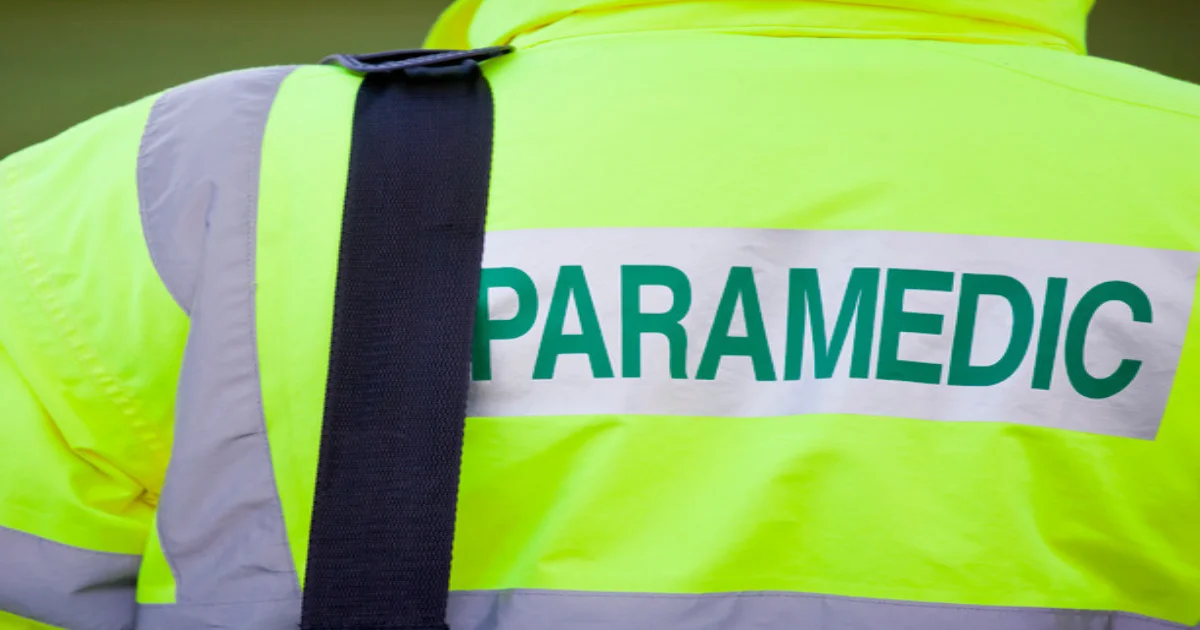
You should always be provided with PPE by your trust or university. Make sure you have your high vis, helmet and anything else you are provided for shifts. If needed but it in a seperate bag in your car so you have it ready in advance. Fit anything else that makes sense (ie spare uniform).
# Spare uniform
Top of every list. You will get vomited on, bled on, splashed with assorted bodily fluids, or sweat through your shirt during a long extrication on a hot day. A clean spare in your locker or kit bag means you don't spend the next eight hours of a twelve-hour shift smelling like an A&E waiting room.
A full spare set is ideal. At minimum, a clean shirt, trousersand a pair of socks.
# Lunch and snacks
You may or may not get a regular meal break depending on crew, trust and location. The job that comes in five minutes before you were due to have a break will always — always — be the one with the longest hospital handover.
Pack things that don't need a microwave and don't suffer in a warm vehicle:
- Sandwiches, wraps, or a salad pot
- Fruit, cereal bars, or trail mix
- A protein bar or two for emergencies
- Sweets or crisps for the 4am dip
Bring more than you think you need. You can always take it home and bring it back tomorrow.
# Refillable water bottle
You should always be able to find a tap at stations or hospitals. You'll be moving around for twelve hours, sometimes in PPE, and dehydration sneaks up on you. A decent insulated bottle keeps water cold or tea hot through a night shift.
# Notepad and pens
A small pocket notebook is one of the most useful things you'll own. Use it for:
- Drug doses, observations and timings during a job, when you can't hold the PRF
- Notes from your mentor on what went well or what to work on
- Quick reflections to write up later for your portfolio
- Phone numbers, codes, and trust-specific bits you can't be expected to remember on day one
Bring at least three pens. Pens vanish on placement. It is an unexplained law of physics. For those digitial note takers, your phone is a perfectly valid notepad.
# SnapMedic
Yes, we're going to put our own app on this list. But having proper clinical tools on your phone makes a real difference to how confidently you operate on placement. SnapMedic gives you a NEWS2 calculator, a cardiac arrest logger, AI OSCE practice, flashcards, and a skills tracker for your portfolio, all in one place and offline-capable for when you're out of signal.
It's free, built around UK paramedic practice, and passed 13,000 downloads by June 2026. Download it before your first shift, not during it.
Bonus if your trust has GRS and you can sync your shifts to your phone. Last minute placement changes are a pain if you're not refreshing the rota.
Comfort and Practicality
# Watch with a second hand
You'll need to count respiratory rates and pulses. A digital watch with a stopwatch works fine, but a sweep second hand is faster and looks more professional in front of a patient. Avoid fabric straps (germ trap) and anything precious enough that you'd be devastated to lose.
# Phone charger and power bank
Twelve-hour shifts will eat your battery, especially if you're using your phone for JRCALC, clinical apps or just social media scrolling at hospital. A small power bank is worth its weight in gold.
# Comfortable boots, properly broken in
Don't turn up to your first placement in brand-new boots. You will regret it. Wear them around the house, on dog walks, anywhere you can. Get the blisters out of the way before you're standing for hours at a time.
If you can't break them in before you start then bring some blister pads!
# Spare socks
Cheap. Light. The difference between a tolerable shift and a miserable one if your feet get wet on a rainy job.
# Hand cream
You'll be using alcohol gel constantly. By week two, your hands will look like sandpaper. A small tube of unscented hand cream lives in most crews's kit bag for a reason.
The Small Things People Forget
# A bag for dirty kit
Nobody wants a soiled shirt loose in their rucksack. A couple of cheap zip-lock bags, or a folded-up plastic carrier at the bottom of your kit, means you can isolate anything contaminated until you can deal with it properly.
# Lip balm
Especially in winter, when ambulances are dry and you're in and out of cold air all night.
# Tissues, mints, deodorant
Small luxuries that make a long shift survivable. A travel deodorant in your kit bag is worth its weight in gold by hour ten.
# Cash and a card
Most stations don't have much of a kitchen culture beyond a kettle and a biscuit tin, and you'll occasionally find yourself buying lunch from a hospital café or a petrol station at 2am. Bring both. Some places still don't take card, and the ones that do have card readers that pick the worst possible moment to stop working.
# Sanitary products
Always worth bringing as you never know when you (or your crewmate) get caught short, bring more than you think you need. You won't always get a chance to nip to the shop, and stations don't always have a stock.
What to Leave at Home
- Anything valuable. Lockers are sometimes shared, sometimes broken, sometimes nonexistent
- Heavy textbooks. You won't read them on shift. Use your phone and your SnapMedic flashcards instead.
- A massive bag. Cab space is limited. A medium rucksack is plenty
Ask Your Mentor Before You Start
Different trusts and different stations run differently. Some have lockers, some don't. Some have a microwave, some just about have a kettle.
Drop your placement educator a polite email a week before you start, asking:
- What facilities are at the station?
- Is there a fridge or microwave I can use?
- Should I bring anything specific, like a stethoscope?
- Are there any uniform or equipment policies I should know about?
Most will be happy you asked. It's also a nice way to introduce yourself before you turn up.
The Short Version
If you remember nothing else:
- PPE
- Spare uniform and socks
- Lunch, plus a backup snack
- Refillable water bottle
- Notepad and three pens
- Phone, charger, and SnapMedic
- A small bag for dirty kit
Everything else is comfort. The basics keep you fed, dry, hydrated, and able to take notes — which is most of what placement asks of you.
Good luck. The first shift is the hardest. Once you've got a couple under your belt, you'll find your own rhythm and your own packing list.
Download SnapMedic
Clinical tools, OSCE practice and a skills tracker — built for UK student paramedics, free on iOS and Android.
Or try the web version
Free to download • All core features included • Works offline